


General
Sudan Different 2050: From War Recovery to Future Transformation – Building People, Creating Knowledge, and Shaping a Sustainable Future

Throughout history, nations have faced moments that changed their destiny. Some countries remained trapped by the pain of the past, while others transformed crises into opportunities for rebuilding and progress.
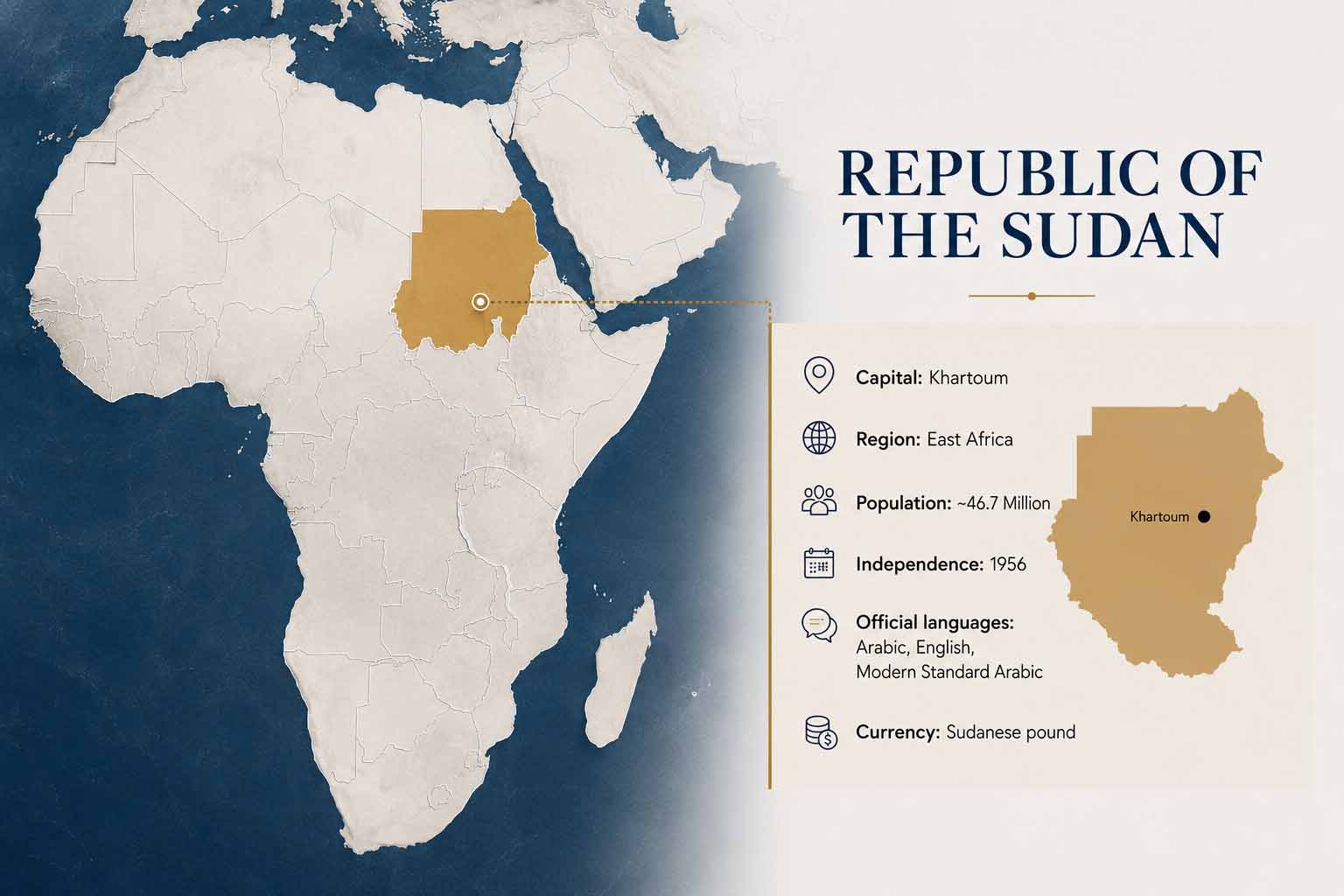
Sudan today stands at such a historic moment.
The war has caused enormous human suffering and serious damage to infrastructure, institutions, businesses, and public services. However, the future of Sudan should not only be about rebuilding what was destroyed. It should be about building a stronger, more inclusive, and more sustainable nation.
Reconstruction is not only about roads, buildings, and physical assets. True reconstruction is about rebuilding people, restoring trust, strengthening institutions, and creating a clear national vision for future generations.
This is the idea behind:
Sudan Different 2050
A long-term national vision to transform Sudan from a country recovering from crisis into a modern, productive, and sustainable nation.
The goal is not simply to return to the past, but to create a better future.
Learning from Global and African Experiences
History provides important lessons.
After the destruction of the Second World War, Japan and Germany did not focus only on repairing damaged buildings. They invested in human capital, education, technology, strong institutions, and productive economies. Within decades, they became global examples of development and innovation.
In Africa, Rwanda provides an important and closer example. After experiencing one of the greatest humanitarian tragedies in modern African history, Rwanda focused on national reconciliation, social healing, institutional development, and economic transformation.
The lesson from these experiences is clear:
Countries do not rise because they have resources alone. They rise because they have vision, effective institutions, skilled people, and a shared commitment to the future.
1. A Different Human Being: The Foundation of Development
The first priority of Sudan Different 2050 is the human being.
Nations are not built only by natural resources or financial capital. They are built by people who have knowledge, values, skills, and responsibility.
The Sudanese citizen of the future must be educated, ethical, productive, and committed to society.
Education without values cannot build a strong nation. Knowledge must be connected with responsibility and good behavior.
As the famous Arab poet Ahmed Shawqi said:
"Nations survive as long as their morals survive; when their morals disappear, they disappear."
Development is not only about technology and economic growth. It is also about honesty, trust, respect, fairness, and responsible citizenship.
Religion and values should not be limited to words or symbols; their true meaning appears through human behavior: honesty in business, respect for others, protection of rights, compassion, and commitment to doing good.
A strong society is built when ethical values become part of daily life.
Therefore, rebuilding Sudan requires rebuilding social relationships, restoring trust among citizens, and strengthening national identity.
Citizenship must become the foundation of rights and responsibilities.
Sudan’s diversity should be seen as a source of strength, not division.
2. A Different Education System: From Information to Knowledge and Innovation
The future of Sudan depends on transforming education.
Education should move from memorizing information to creating knowledge.
Sudan Different 2050 requires an education system that develops:
- Critical thinking.
- Innovation and creativity.
- Research and technology skills.
- Problem-solving abilities.
- Entrepreneurship and leadership.
Schools and universities should not only prepare students for jobs; they should prepare them to create opportunities and contribute to national development.
Knowledge must become production.
Innovation must become an economic driver.
The success of education should be measured not only by the number of graduates, but by the ability of graduates to create value for society.
3. A Different Economy: From Natural Resources to Productive Capacity
Sudan has enormous economic potential: fertile agricultural land, natural resources, strategic location, and talented people.
However, resources alone do not create prosperity.
The real challenge is transforming resources into productive economic activities that create jobs and improve living standards.
Sudan Different 2050 requires an economy based on:
- Modern agriculture.
- Competitive industries.
- Increased exports.
- Private sector development.
- Investment attraction.
- Youth employment.
- Digital and knowledge-based industries.
The future economy must focus on productivity.
Efficiency means using resources wisely and achieving better results with fewer losses.
Effectiveness means choosing the right priorities and achieving national goals.
A successful economy is not only one that produces more, but one that produces better, competes globally, and creates sustainable value.
4. Sustainable Development: Building Today Without Losing Tomorrow
Sudan’s future must be based on sustainable development.
Sustainable development means using today’s resources wisely while protecting the rights of future generations.
It requires balancing:
- Economic growth.
- Social development.
- Environmental protection.
A sustainable Sudan should invest in renewable energy, responsible agriculture, modern cities, quality healthcare, and education systems that support future generations.
Development is not measured only by economic growth; it is measured by the quality of life of citizens.
5. A Different Infrastructure: Rebuilding for the Future
The destruction caused by war provides an opportunity to rebuild with better standards.
Sudan should not simply rebuild the past; it should design the future.
The country needs:
- Modern transportation networks.
- Reliable electricity.
- Safe water systems.
- Advanced healthcare facilities.
- Modern schools and universities.
- Smart cities.
- Digital infrastructure.
Infrastructure should support people, business, and sustainable economic growth.
6. A Different Government: Strong Institutions Serving Citizens
No national vision can succeed without effective institutions.
Sudan Different 2050 requires institutional reform based on:
- Good governance.
- Transparency.
- Accountability.
- Digital transformation.
- Professional management.
- Performance measurement.
The purpose of government is not only administration; it is creating value for citizens and providing effective public services.
The National Commission for Sudan Different 2050
To transform this vision into reality, Sudan needs:
The National Commission for Sudan Different 2050
A strategic national body responsible for long-term planning, coordination, and implementation.
Its role should include:
- Developing Sudan’s vision until 2050.
- Setting national priorities.
- Coordinating reconstruction programs.
- Supporting private sector initiatives.
- Creating a unified platform for investors and national contributors.
- Monitoring implementation and measuring results.
Sudan has capable people, entrepreneurs, investors, and professionals inside and outside the country. The challenge is to organize these energies around one national vision.
Sudan Different 2050: A Historic Opportunity
War is a tragedy, but nations can transform tragedies into turning points.
Japan, Germany, and Rwanda demonstrate that recovery is possible when people share a vision, institutions work effectively, and citizens believe in rebuilding their future.
Sudan Different 2050 is not only a reconstruction program.
It is a transformation strategy.
A strategy to build ethical citizens, a knowledge-based economy, effective institutions, and sustainable development.
The future of Sudan will not be determined only by what happened in the past.
It will be determined by what Sudanese people choose to build together.
Sudan Different 2050
Building People. Creating Knowledge. Transforming the Nation.
Editorial Disclaimer
The views, opinions, analyses, interpretations, and conclusions expressed in this article are solely those of the respective author(s) and are provided in their personal and professional capacity. They do not necessarily reflect the official views, policies, positions, or endorsements of Bridge Forward, East Bridge University (EBU), or any of their governing bodies, management, faculty, employees, affiliates, partners, or editorial representatives. The author(s) bear sole responsibility for the accuracy, originality, completeness, and legality of the content. While every reasonable effort is made to maintain editorial standards, Bridge Forward and East Bridge University make no representations or warranties, express or implied, regarding the accuracy, completeness, reliability, or suitability of the information contained herein, and expressly disclaim any liability for any loss, damage, claim, or consequence arising from the publication of, or reliance upon, such content.
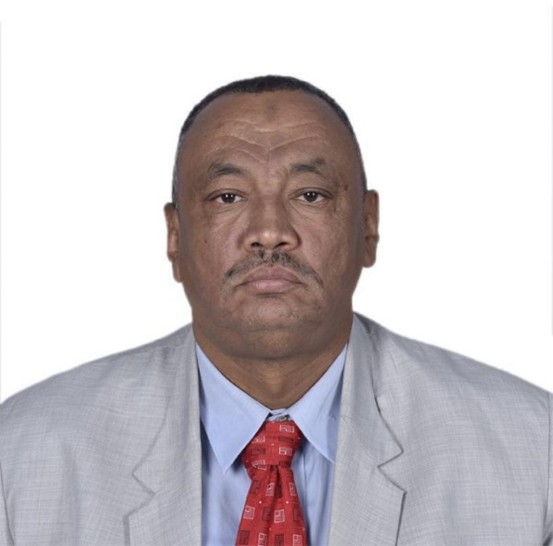
Senior Finance Executive | Academic | Researcher | Business & Economic Columnist
Abuobaida Ahmed Saied Mohamed
Abuobaida Ahmed Saied Mohamed is a Sudanese finance executive, lecturer, researcher, and business economist with more than 34 years of experience in banking, corporate finance, investment, and strategic management. He is a Lecturer and Senior Instructor in Banking, Finance, and Accounting at Sudan International University. He holds an MBA from Sudan University of Science and Technology and is a Certified Management Accountant (CMA – Australia & New Zealand). He is currently an Executive Doctorate in Accounting candidate at East Bridge University and has completed the academic requirements for a PhD in Business Administration at Omdurman Islamic University, with the dissertation defense postponed due to the conflict in Sudan. He is a regular business and economic columnist for Sudania Daily and a guest economic analyst on Sudania 24 TV and Sudan TV, where he provides commentary on banking, finance, investment, economic policy, and sustainable development..